

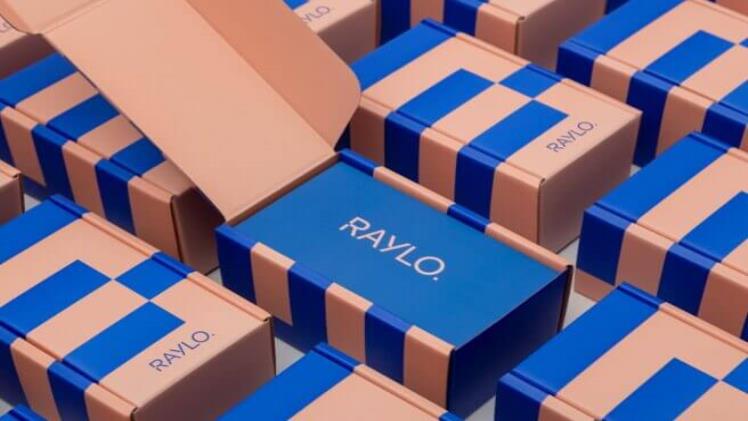
Brown paper bags and cardboard boxes have been replaced by more sophisticated packaging materials. Packaging materials have developed alongside technological progress. The evolution of product packaging from rigid to flexible materials has been remarkable. To make the most informed decision possible in today’s market, it’s vital to comprehend the variations between conventional and cutting-edge packaging materials and their respective futures. This post is a must-read for everyone interested in packaging, whether you’re a business owner in the market for new storage file boxes or a consumer wondering how your favourite products are presented in-store.
Traditional Packaging Materials
Products have been stored and transported in their original packaging for ages. These materials are noted for their durability and resilience and are typically crafted from wood, paper, or cardboard. Corrugated cardboard boxes are a common type of traditional packaging. Due to their resistance to pressure and moisture, these containers continue to be widely used.
Kraft paper bags, which were first introduced in the early 1900s as an alternative to plastic bags, are another popular traditional material. Kraft paper bags are a fantastic choice for those who are concerned about their environmental impact because they are recyclable, biodegradable, and environmentally friendly.
Storage file boxes also fall under the category of traditional packaging materials that have stood the test of time. They are perfect for storing important documents, photographs or other items that need safekeeping.
While these traditional packaging materials continue to be widely used today, modern technology has led to more flexible options being introduced into the market with an aim at providing better protection while reducing environmental impact.
Flexible Packaging Materials
Flexible packaging, also known as shapeable packaging, is a type of packaging that can be reshaped after being filled or sealed. The framework may be made from paper, plastic, film, foil, or any similar material.
Because of its malleability, flexible packaging supplies require less foundational material and are simpler to stock. Processing of Raw Materials This results in significant time savings and resource cost reductions across the manufacturing process. Products in flexible packaging take up less room in the factory, which means less money saved on rent.
The use of flexible packaging materials frees designers to experiment with novel container shapes. It comes in enticing designs that capture the eye, adding to its tremendous marketing value. It’s a great way to make your product stand out from the crowd of similar things on the market.
Energy requirements for rigid packaging are higher than those for flexible packaging. Transportation has far less impact on the environment and on the amount of fuel used. Additionally, several types of flexible packaging are made to be recycled and reused.
Protecting products from the elements, including humidity, ultraviolet light, mildew, dust, and other airborne contaminants, helps keep them in pristine condition and extends their shelf life. Flexible packaging keeps the product intact for a longer amount of time and safeguards it safely, whereas cans can be disfigured and sold at reduced costs due to package damage. That eliminates any concerns about the product being damaged in transit anywhere in the world.
The Future of Packaging Materials
Seeing how technological advancements and creative thinking are influencing the packaging industry of the future is intriguing. Sustainable and environmentally friendly packaging has emerged as a major trend in recent years.
Companies need to change their packaging and distribution methods to address the concerns of an increasing number of customers. Possible alternatives to conventional plastics include biodegradable or compostable materials and innovative approaches to waste minimization in manufacturing.
Smart packaging is another innovative new addition to the packaging industry. The term “smart packaging” refers to the incorporation of sensors and other technology into product packaging in order to offer real-time data on the state of freshness, temperature regulation, and other factors.
As our understanding of materials evolves, we might anticipate improved versions of common packaging materials like cardboard boxes, paper bags, and filing cabinets. What further revolutionary developments will be made in the future is anyone’s guess, given the current rate of technological advancement.
Conclusion
The transition from rigid to more malleable packaging solutions is far from complete. Better options for storing, transporting, and protecting products will continue to emerge as a byproduct of technological progress. There is a wide variety of packaging materials available at a trustworthy packaging supply store, from corrugated cardboard boxes to storage file boxes. And if you’re trying to be more environmentally conscious, kraft paper bags are a great option. The importance of packaging materials in today’s economy cannot be overstated, regardless of personal tastes. We are eager to see what the future holds for this vital sector in light of all the promising new initiatives currently underway.
