

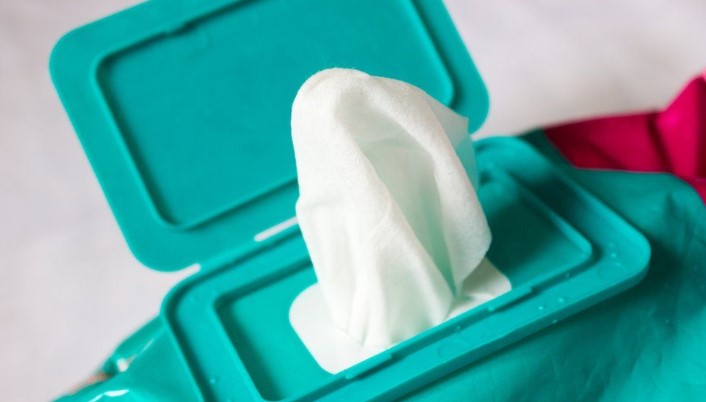
Wet wipes have become increasingly popular in recent years, with people using them for a variety of purposes, including cleaning surfaces and personal hygiene. However, there has been growing concern about the environmental impact of wet wipes, with many experts warning that they pose a significant threat to our planet. In this article, we will take a closer look at whether or not wet wipes are bad for the environment.
Read more: Wet wipe packaging manufacturer USA Prestige 2023
1. The Environmental Impact of Wet Wipes
They Contribute to Plastic Pollution
One of the main reasons why wet wipes are bad for the environment is that they contribute to plastic pollution. Most wet wipes are made from a combination of plastic fibers and wood pulp, which means that they do not biodegrade easily. As a result, when wet wipes are disposed of improperly, they end up polluting our oceans, rivers, and other waterways.
They Can Clog Sewer Systems
Another way that wet wipes can harm the environment is by clogging sewer systems. Wet wipes do not break down in the same way that toilet paper does, which means that they can cause blockages in pipes and sewage treatment plants. This not only results in backups and overflows but can also be costly to repair.
They Harm Marine Life
In addition to contributing to plastic pollution, wet wipes can also harm marine life. When wet wipes are disposed of improperly, they often end up in the ocean, where they can be mistaken for food by marine animals. This can lead to injury, illness, and even death.
They Contribute to Greenhouse Gas Emissions
Finally, the production and disposal of wet wipes also contribute to greenhouse gas emissions. The manufacturing process for wet wipes requires a significant amount of energy and resources, including water and oil. Additionally, when wet wipes are disposed of in landfills, they can release methane, a potent greenhouse gas.
Read more: TOP 10 Wet Wipes Manufacturer in the USA Prestige 2023
2. Comparing Wet Wipes to Other Products
While wet wipes may have some negative environmental impacts, they are not the only product of their kind on the market. Here are some comparisons between wet wipes and similar products:
Wet Wipes vs. Toilet Paper
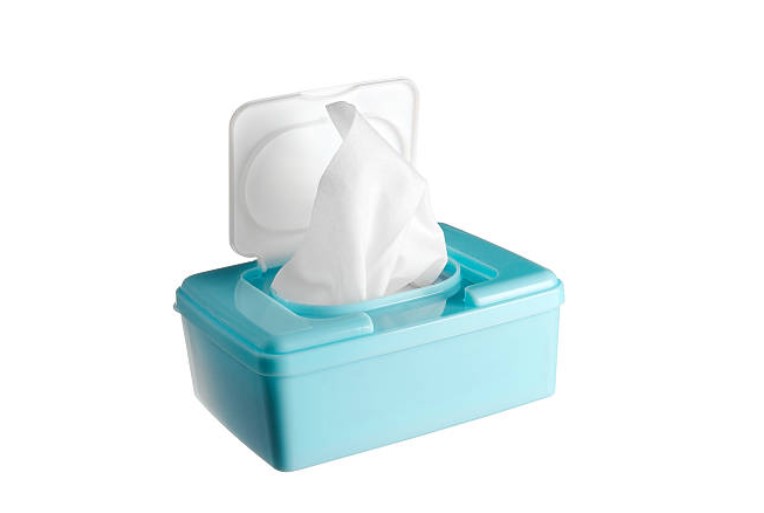
Compared to toilet paper, wet wipes are less environmentally friendly. Toilet paper is made from biodegradable materials that break down easily, while wet wipes are made from a combination of plastic fibers and wood pulp. Additionally, wet wipes cannot be flushed down the toilet, which means they need to be disposed of in the trash.
Wet Wipes vs. Microfiber Cloths
Microfiber cloths are another popular cleaning product, but they also have some negative environmental impacts. While microfiber cloths are reusable, they are often made from synthetic materials that do not biodegrade easily. Additionally, they require energy and resources to manufacture.
Wet Wipes vs. Biodegradable Wipes
There are some biodegradable wipes on the market that claim to be more environmentally friendly than traditional wet wipes. However, even these products can have negative environmental impacts if they are not disposed of properly. Additionally, the manufacturing process for biodegradable wipes still requires resources and energy.
Read more: OEM Wet Wipes – The Best Solution for High-quality Products
3. How to Reduce the Environmental Impact of Wet Wipes
If you still want to use wet wipes, there are some steps you can take to reduce their environmental impact:
Choose Biodegradable or Eco-Friendly Options
Look for wet wipes that are labeled as biodegradable or eco-friendly. These products are often made from more sustainable materials and are less harmful to the environment. However, it is important to ensure that these products are actually biodegradable and are not just using greenwashing tactics.
Dispose of Wet Wipes Properly
Make sure to dispose of wet wipes properly by throwing them in the trash rather than flushing them down the toilet. Additionally, try to avoid using wet wipes as much as possible to reduce your overall impact.
Switch to Alternatives
Consider switching to alternative products that are less harmful to the environment. For example, you could use a reusable microfiber cloth instead of disposable wet wipes for cleaning.
>>>> Read more: Wet wipes production line: 6 steps Complete Wet Wipes of DHTI
In conclusion, wet wipes can have a negative environmental impact due to their contribution to plastic pollution, sewer system blockages, harm to marine life, and greenhouse gas emissions. While they may be convenient, it is important to take steps to reduce their environmental impact, such as choosing biodegradable options, disposing of them properly, and switching to alternatives. By making these changes, we can help protect our planet and preserve it for future generations.
