

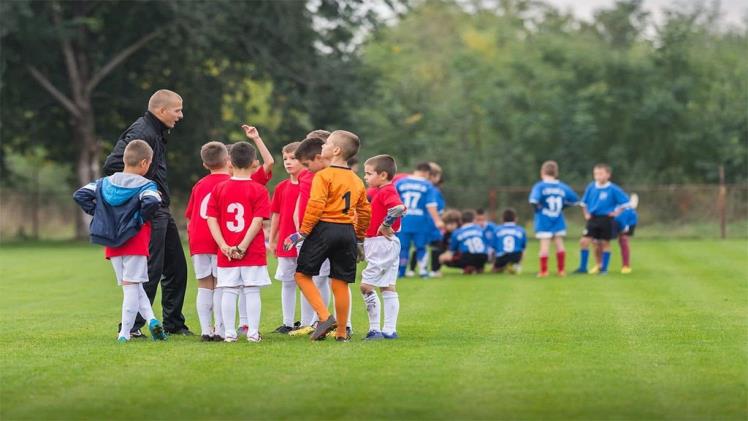
The language of sports is universal. While spoken languages may vary from one region to another, the thrill of a goal, the anticipation of a finish line, or the strategy behind a chess move is understood by everyone, regardless of where they come from. In a world that’s more connected than ever, sports have the power to bridge cultural gaps, allowing people from diverse backgrounds to connect, communicate, and share their passion. Let’s dive into how the world of sports brings different cultures together.
The Unspoken Language of Sports
Sports, at their very essence, are forms of non-verbal communication. The adrenaline rush a footballer feels when scoring a goal, the satisfaction a basketball player gets from a three-pointer, or the frustration when baseball bats swing and miss – these emotions are universal. They’re felt by athletes and fans alike, whether you’re in Tokyo, Buenos Aires, or Nairobi.
Such emotions create a bond. People from entirely different cultural backgrounds can share a moment, a game, or a season, finding common ground in their shared love for the sport.
World Tournaments: A Melting Pot of Cultures
Major global tournaments, like the FIFA World Cup or the Olympics, exemplify the uniting power of sports. These events bring together nations from around the world, each with its unique culture, traditions, and history. Yet, amidst these differences, there’s a shared respect for the game and for each other.
Such tournaments not only offer a platform for athletes to showcase their talent but also for cultures to exhibit their uniqueness. Traditional dances, songs, and rituals often become a significant part of these events, allowing the global audience a glimpse into a country’s rich heritage.
Sports Icons: Beyond Borders and Boundaries
Sports icons play a pivotal role in bridging cultural gaps. They become ambassadors of their culture, carrying their traditions and stories with them wherever they go.
Take, for instance, the influence of athletes like Roger Federer, Serena Williams, or Lionel Messi. Their appeal is not limited to their homeland. Fans from across the globe admire their skill, dedication, and spirit. In doing so, these fans often become interested in the athlete’s cultural background, leading to a mutual exchange of respect and understanding.
Sports Clubs: Integrating Communities
Sports clubs, especially in multicultural cities, are melting pots of cultures. People from different walks of life come together, united by their love for the game. In these settings, it’s not uncommon to see diverse traditions being celebrated, from festivals to food.
For instance, in a local cricket or racquetball club, one might find the team celebrating Diwali, Eid, Christmas, and Hanukkah with equal fervor. This not only enriches the experience for the members but also fosters a deep sense of unity and understanding. The racket, which might have been handcrafted in Latin America, can become a tool that connects players from North America, Asia, and Africa to a shared goal.
Lessons from the Playground
It’s often said that sports fields are the best classrooms. They teach discipline, teamwork, perseverance, and respect. But there’s another lesson that’s subtle yet profound: acceptance.
When players from different cultures come together, they often bring varied styles and strategies to the table. These differences, instead of becoming hindrances, become strengths. Players learn to adapt, respect, and even adopt styles that are different from their own. This lesson of acceptance and adaptation is crucial in a globalized world.
The Challenges Ahead
While sports have the power to bridge cultural gaps, it’s essential to acknowledge that challenges still exist. Issues like racism, discrimination, and bias can sometimes mar the beauty of the game. To truly harness the unifying power of sports, there’s a need for conscious efforts by governing bodies, players, and fans alike.
Ensuring equal representation, respecting all players regardless of their background, and fostering an environment of mutual respect are some of the steps that can strengthen the bond that sports create.
Conclusion
The world of sports, in its vast expanse, offers more than just games. It provides a platform where differences fade, and all that matters is the passion, skill, and spirit of the game. In a world that often emphasizes divisions, sports remind us of the common threads that bind us all.
From the soccer fields of Brazil to the cricket pitches of India, from the basketball courts of the USA to the rugby fields of New Zealand, sports are more than just games. They’re a celebration of humanity’s shared spirit, a testament to our ability to find common ground amidst diversity.
As we cheer for our favorite teams, admire sports icons, or simply kick a ball in a local park, let’s remember the unifying power of sports. Let’s embrace the lessons they teach us and strive to make our world a playground where everyone is welcome.
